
Direct answer
3mm and 4mm refer to nominal bitumen membrane thickness after manufacture—not installed performance by themselves. On Pakistani sites, 4mm PetroGrip SBS or APP is typically the primary ply on basement rafts, high water-table walls, and exposed roof caps where puncture and lap welding benefit from extra mass. 3mm suits second layers in a double-layer basement system, membranes fully protected under screed or pavers, or base plies in multi-ply roofs.
Thickness does not replace modifier selection (APP vs SBS), surfacing (plain vs aluminum vs granular), or protection before backfill. Other suppliers’ 4mm rolls follow the same logic—what matters is whether the approved drawing names that thickness on that ply.
Decision table
| Condition | Typical thickness | Petroseal product line |
|---|---|---|
| Exposed flat roof cap sheet | 4mm (sometimes 3mm on small decks) | PetroGrip APP, aluminum or granular |
| Basement raft primary ply | 4mm SBS | PetroGrip SBS |
| Basement second ply / staggered laps | 3mm SBS | PetroGrip SBS |
| Protected ply under screed/tiles | 3mm APP or SBS plain | PetroGrip per exposure schedule |
| Podium with planters / movement | 4mm SBS primary | PetroGrip SBS |
| Detail patches with self-adhesive | 1.5–2mm | PetroSelfGrip |
What thickness does not fix
- Green or damp concrete during torch work
- Missing primer or under-lap at T-junctions
- Plain film left permanently UV-exposed
- Backfill without protection board
- Wrong modifier (APP on a flex-demanding basement wall without design intent)
Double-layer basements and staggered thickness
Deep basements with sustained hydrostatic pressure often specify two SBS plies with staggered laps—not a single 4mm sheet as a shortcut. Petroseal’s double-layer SBS basement system page describes orientation, lap offset, and protection. A 4mm + 3mm combination appears on some consultant specs; both plies remain SBS unless the exposure schedule explicitly transitions to APP at grade.
Imported and domestic manufacturers (Petroseal, Roofline, others) can supply multiple thicknesses; the submittal must list each ply separately.
Roofs: heat, UV, and maintenance traffic
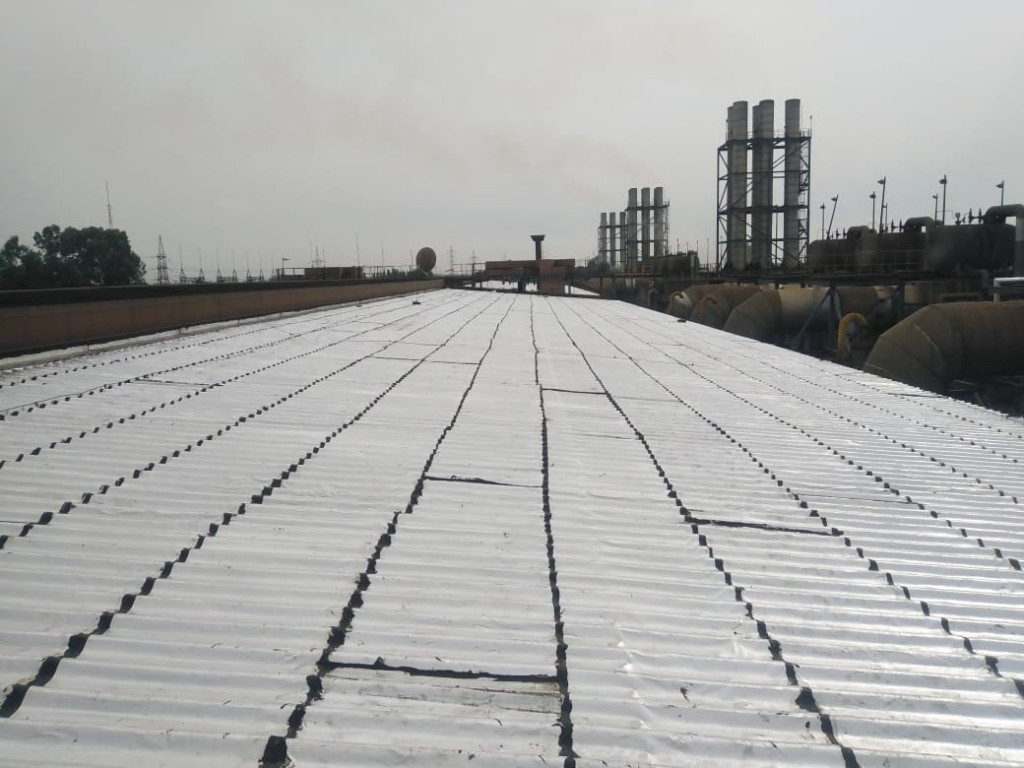
Punjab and Sindh roof decks see high radiant load. APP cap sheets in 4mm with aluminum or granular surfacing are common on Petroseal projects such as large retail and airport-related work. 3mm APP may serve as a base ply under insulation and cap sheet build-ups.
Maintenance traffic without pavers demands granular or protection layers—not merely upgrading 3mm to 4mm plain film on an exposed deck.
Verification on delivery
Measure roll marking, batch reference, and thickness statement against the approved submittal before installation. Petroseal checks thickness and marking in-house before dispatch; contractors should photograph rolls at delivery for dispute prevention.
When a tender lists generic 4mm torch membrane without APP/SBS, request a Petroseal submittal with modifier, surfacing, and method statement rather than accepting commodity rolls.